
Why a Lawn Edging Service Makes a Difference
A lawn edging service gives Paeroa, Waihi, Ngātea and Thames homes crisp borders, tidy paths and more weekend time. Check your price online now.
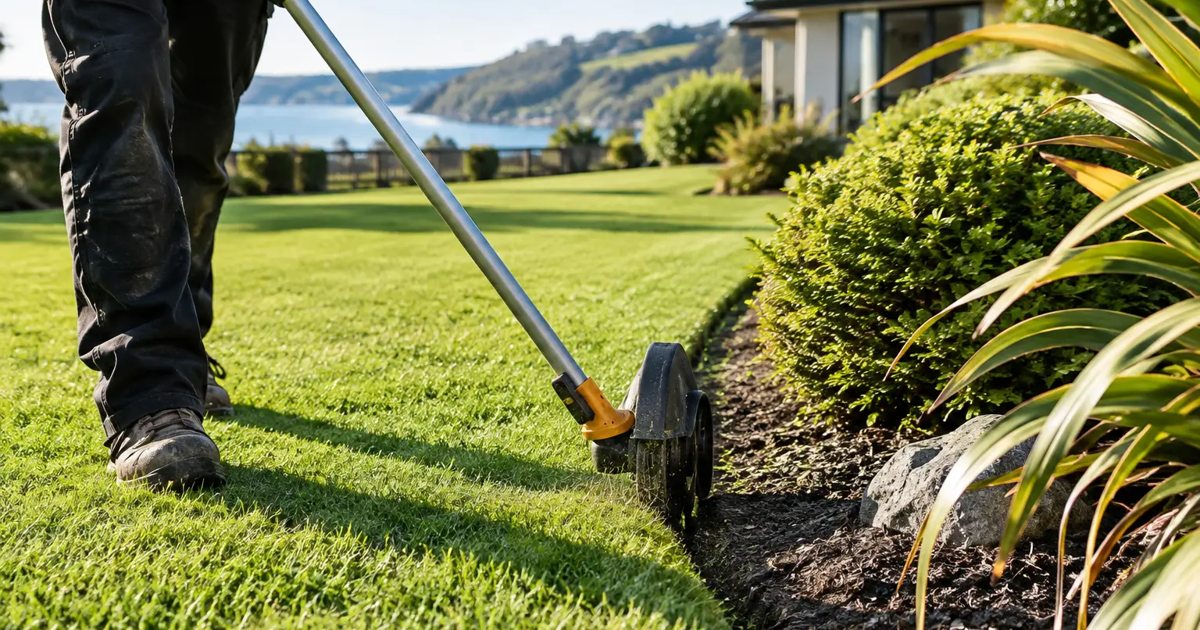
A freshly mown lawn can still look unfinished when grass is creeping over the footpath, climbing the garden edge or spilling across the driveway. That is where a proper lawn edging service earns its keep. Clean lines make the whole property look cared for - even when the lawn itself is a little patchy after a dry spell, a wet week or the kids’ latest backyard game.
For busy households, landlords and anyone who would rather enjoy Saturday than spend it wrestling a line trimmer, edging is not a small extra. It is the detail that turns a cut lawn into a tidy outdoor space.
What a lawn edging service actually does
Lawn edging is the careful trimming of grass along the places a mower cannot reach cleanly. Think driveway edges, paths, kerbs, fence lines, garden borders and around hard surfaces. The aim is simple: remove those shaggy fringes and create a clear boundary between the lawn and everything around it.
It is often done as part of a complete mow, edge and blow visit. The lawn is mown, the overgrown edges are trimmed back, then clippings are blown off paths and driveways. The result is not fancy landscaping. It is a neat, practical finish that makes coming home feel better.
That last step matters. Cutting the grass but leaving clippings across the concrete can make a job look half-done. A clean path, clear driveway and crisp lawn line are what people notice first.
Why neat edges change the look of a property
Edges create definition. They stop the lawn from looking like it is slowly taking over the section, especially around narrow paths, letterboxes and garden beds. On a typical Hauraki property, where grass can take off quickly after rain and warm weather, that definition does not last forever. Regular attention keeps it under control before it becomes a bigger job.
A tidy edge also helps the lawn look more intentional. You do not need a perfectly level, bowling-green section to have a presentable yard. Straight, well-maintained borders draw the eye away from minor unevenness and make the whole area appear sharper.
For rental properties, this can be especially useful between inspections or when preparing for new tenants. For homeowners, it is one less job sitting on the weekend list. And for retirees, regular lawn care can remove the awkward, repetitive trimming that is often harder on the back and shoulders than mowing itself.
Mowing alone is not always enough
A mower does the heavy lifting, but its wheels and deck leave a small strip of grass wherever there is a solid edge. Along a fence or garden border, the mower may not be able to get close without bumping, scalping the lawn or damaging plants.
That leftover strip can look harmless after one mow. Leave it for several visits, though, and it becomes thick, uneven and much more obvious. It can also trap moisture and debris along paths, making the area look untidy even when the main lawn has been cut.
Edging does not need to be aggressive to work. In fact, taking too much grass away or cutting too low can leave bare patches and stressed edges. A good service is about keeping lines neat and consistent, not carving trenches around every surface.
How often should lawn edges be trimmed?
There is no one schedule that suits every lawn. Growth changes with the season, rainfall, shade and how much sun the section gets. A sunny Waihi yard can grow differently from a more sheltered property in Thames or a rural section near Paeroa.
For many homes, edging works best when it is included with regular mowing. During strong growing periods, a fortnightly visit may keep everything looking consistently tidy. When growth slows, the right frequency may be less often. The useful rule is to avoid waiting until the edges are visibly spilling onto paths or garden beds.
One-off jobs can make sense too, particularly before a gathering, a property inspection or after life has got busy and the lawn has had a decent head start. No judgement here. Grass does not care about your calendar, and it has a funny way of growing fastest when you are flat out.
If a lawn is significantly overgrown, it may need extra time and may come with an additional charge. That is worth allowing for rather than expecting a standard tidy-up to cover a major catch-up job.
The spots that make the biggest difference
Not every edge needs the same level of attention. The most visible areas usually deserve priority: the front path, driveway, street-facing boundary and the route to the front door. These are the spots you see every day, and the ones visitors notice before they see anything else.
Backyards matter too, especially around patios, clotheslines, decks and outdoor living areas. Grass creeping onto a paved space can make it feel neglected quickly. A sharp edge helps the outdoor area feel ready to use, rather than like another chore waiting to happen.
Garden borders need a little care. The goal is to trim grass back from the plants without chewing into mulch or disturbing delicate stems. Fence lines can be slower because of posts, uneven ground and obstacles, but they make a big visual difference once cleaned up.
Regular edging versus doing it yourself
There is nothing wrong with handling your own lawn edges if you have the time, equipment and a steady hand. For some people, it is a satisfying way to spend an hour outside. The trade-off is that edging is often the fiddliest part of lawn care. It needs a line trimmer, attention around hard surfaces and a final clean-up of clippings.
It can also be one of those jobs that keeps getting pushed back. The lawn gets mown because it is obvious. The edges get left because they take longer than expected. Then a couple of weeks pass, the grass thickens up, and the job becomes far less appealing.
A regular service removes that cycle. Instead of finding time to mow, trim and sweep, you can keep the section presentable as part of a routine. It is particularly handy for landlords, property managers and families juggling work, school sport and everything else that lands on a weekend.
What to expect from a tidy mow, edge and blow visit
A straightforward lawn-care visit should focus on the finish, not complicated gardening jargon. The lawn is cut to suit normal residential maintenance, accessible edges are trimmed, and clippings are cleared from paths and driveways.
The exact result can depend on the property. Long grass, steep areas, obstacles, wet ground, heavily overgrown edges and access restrictions can all affect the time required. It is sensible to keep toys, hoses and other loose items out of the mowing area where possible. That helps the job move along safely and gives the mower and trimmer room to do their work properly.
If you have a gate, dogs or an area that should not be entered, clear instructions are useful. Good lawn care is practical teamwork - a tidy section is easier to maintain when access is straightforward.
An easier way to keep your place looking sorted
The best lawn routine is the one you can actually stick to. For most people, that means choosing a frequency that matches grass growth and setting it up before the yard starts looking wild. Regular mowing with edging and clearing of clippings keeps the small details from turning into a catch-up mission.
Hauraki Mowing Services makes that part simple for local homes. Enter your address online, see a property-based price without measuring the lawn, and book in around two minutes. Ongoing bookings can also be managed through My Mows, which is handy when plans change.
A clean edge will not solve every garden job, and it is not meant to. It simply gives your lawn a proper finish, keeps hard surfaces clearer and helps your home look looked after between all the other things life throws at you. A few crisp lines can do a lot of heavy lifting. 🌱