
A Guide for Rental Lawns That Stay Tidy
This guide for rental lawns helps tenants and landlords set clear mowing routines, manage weeds and keep outdoor areas tidy between inspections easily.
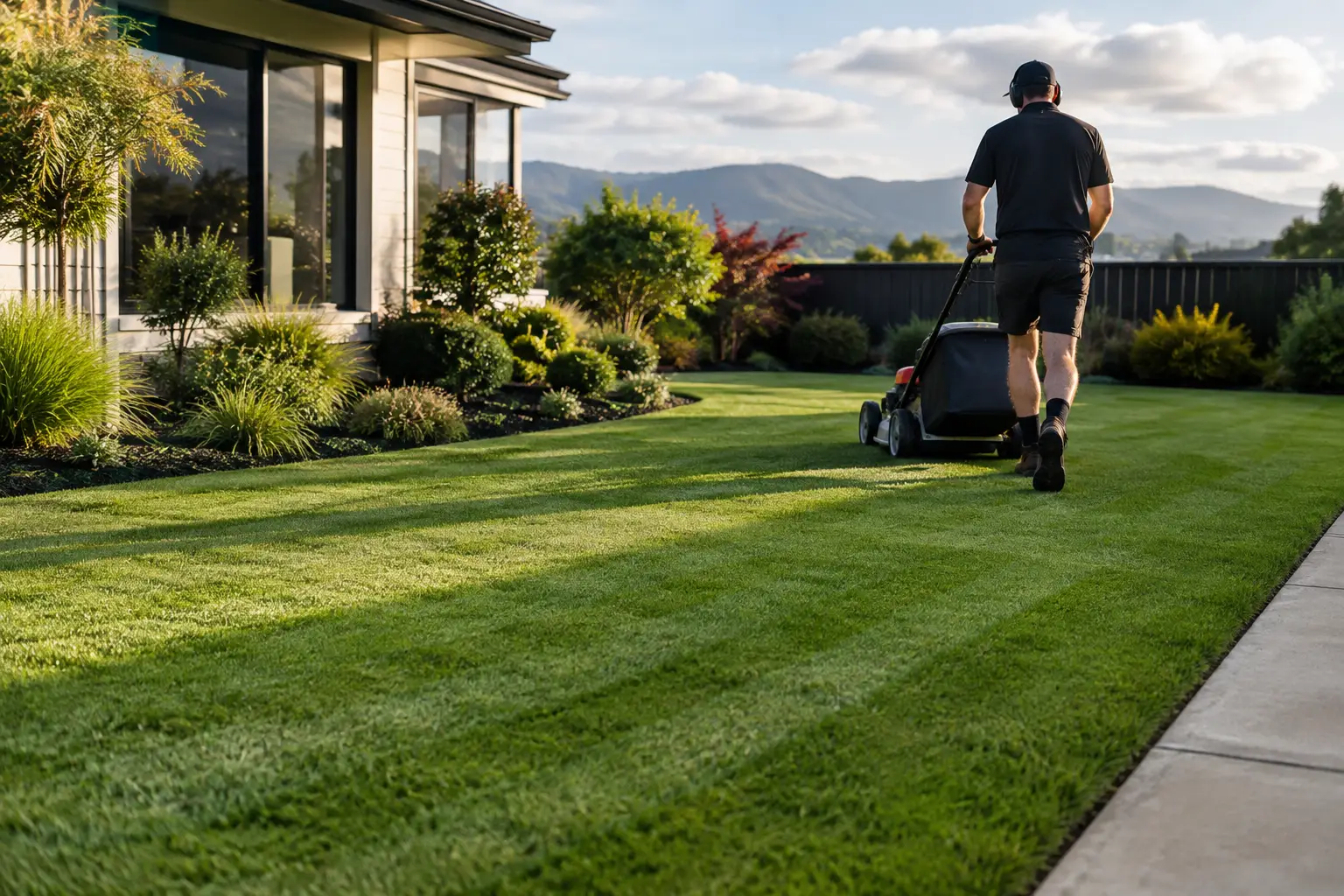
Rental lawns can get awkward fast. A few wet weekends, a missed mow and suddenly the grass is brushing your ankles before an inspection. This guide for rental lawns is for tenants, landlords and property managers who want a simple plan: a tidy section, clear expectations and no last-minute panic.
The goal is not a picture-perfect garden that eats every spare Saturday. It is a lawn that looks cared for, keeps paths clear and does not become a bigger, more expensive job later.
Who looks after a rental lawn?
Start with the tenancy agreement. Lawn mowing, edging, weeding and garden upkeep can sit with either the tenant or the landlord, depending on what was agreed. Do not rely on assumptions or what happened at the last place. Read the agreement, check the entry condition report and make sure everyone understands what “maintained” means for that particular property.
For tenants, this might mean mowing regularly, keeping edges under control and reporting issues such as broken irrigation, fallen branches or a lawn that is impossible to mow safely. For landlords, it may mean arranging a service, particularly where the property has a large section, the tenant has limited ability to maintain it, or lawn care is included in the tenancy terms.
A quick written conversation at the beginning of a tenancy saves a lot of crossed wires later. Agree who books the mow, who pays for it and whether any garden areas are off limits. If the lawn is already long when a tenant moves in, take dated photos and raise it promptly rather than inheriting a problem by accident.
Set a mowing routine before grass takes over
In the Hauraki District, grass does not always grow at the same pace. Warm, wet periods can turn a neat lawn into a jungle surprisingly quickly, while growth slows right down through cooler, drier stretches. A fixed weekly routine may be ideal for one property and unnecessary for another.
As a practical starting point, many rental lawns need attention every two to three weeks during active growth. A smaller, shaded lawn may need less. A sunny section with fast-growing grass, kids, pets and plenty of foot traffic may need more. The best routine is the one that keeps the lawn manageable without mowing it too short.
Cutting a very long lawn right down in one go can leave it looking rough and put stress on the grass. It also creates more clippings to deal with. Regular mowing keeps the finish cleaner, makes edging easier and reduces the chance of an overgrown-lawn charge if a professional is booked later.
If you are a tenant juggling work, school runs and weekends, recurring mowing is often easier than remembering to book only once the grass is out of hand. For landlords, a regular schedule can help protect the presentation of the property between inspections without needing to chase the issue each month.
A guide for rental lawns: mow, edge and clear the clippings
A tidy rental lawn is more than short grass. The details are what make the section look looked after.
Mowing should leave an even finish without scalping bare patches. Edging along paths, driveways and garden beds stops the lawn from creeping where it should not. Finally, blowing or sweeping clippings from hard surfaces gives the property a clean finish and helps avoid slippery mess on paths after rain.
These three small jobs matter at inspection time because they show the outdoor area has been maintained, not merely rushed through. They also make the home more pleasant to arrive at, whether it is a family rental in Waihi, a unit in Paeroa or a property closer to Thames.
Keep the job realistic, though. Tenants are generally not expected to turn an established garden into a landscaped showpiece. Likewise, landlords should not expect a tenant to solve long-standing drainage, tree, soil or garden-design issues through routine mowing. Separate everyday care from property repairs and larger garden work.
Keep weeds from becoming the main event
Weeds are easier to handle while they are small. A few weeds in a path edge or garden bed are usually a quick job; a season of neglect is another story. Walk the section occasionally and deal with new growth before it seeds or spreads.
Where weed spraying is suitable, choose the product carefully. Households with pets, children or regular visitors need to know what has been used and follow the application instructions. If a professional service is arranging the treatment, ask what areas will be sprayed and when they can be used again.
Hauraki Mowing Services offers BioGro certified organic weed spraying, including a pet-safe option when used as directed. That can be a useful choice for rental properties where a simple, considered approach is more practical than filling the shed with half-used chemicals.
Weed control is not a substitute for mowing, and mowing is not a substitute for weed control. They work best together. Keeping grass at a sensible height makes unwanted growth easier to spot, while regular treatment helps paths, edges and beds look less neglected.
Make inspections boring for the right reasons
The best property inspection is uneventful. The lawn is trimmed, the edges are tidy, clippings are off the driveway and there is nothing for anyone to debate.
Tenants should plan a mow a few days before an inspection rather than the night before. This leaves time to pick up branches, pull obvious weeds and deal with any issue that needs to be reported. Take a couple of clear photos once the outdoor area is finished, especially if lawn care is your responsibility under the agreement.
Landlords and property managers can make this easier by giving clear notice of what they expect to see. “Lawn and edges maintained, paths clear and rubbish removed” is more helpful than a vague request to tidy the garden. If there is a concern, explain it specifically and give the tenant a reasonable chance to address it.
A respectful approach matters. Long grass happens. Rain, illness, travel, a broken mower and busy weeks all happen too. The useful question is whether there is a workable plan to get the lawn back under control and keep it that way.
When it makes sense to book a professional
There is no prize for spending your Sunday pushing a mower around if you would rather be doing something else. A professional lawn service is particularly handy for landlords living out of town, tenants without equipment, older residents, busy families and anyone facing a lawn that has got away on them.
Before booking, be upfront about the lawn’s condition. Long or heavily overgrown grass can take extra time and may cost more than a standard maintenance mow. Photos and accurate access details help avoid surprises. Make sure gates are unlocked, dogs are secured and toys, hoses and other obstacles are cleared from the grass where possible.
For regular upkeep, Hauraki Mowing Services provides the straightforward finish most rental properties need: mow, edge and blow. Customers can enter their address online, see a property-based price without measuring the lawn, and make a booking in around two minutes. Ongoing bookings can also be managed through My Mows, which is useful when a tenancy changes or a landlord needs to adjust the schedule.
A regular service is not the only answer. A capable tenant with a working mower may prefer to handle a small lawn themselves. But when the section is larger, access is tricky or the lawn keeps slipping down the priority list, paying for consistency can be cheaper than dealing with an overgrown reset later.
Keep communication as tidy as the lawn
Rental lawn care runs smoothly when everyone knows the plan. Put the mowing frequency in writing if it is part of the tenancy arrangement. Keep receipts or booking confirmations, report property issues early and let the other party know if access will be a problem.
For landlords, consider whether a recurring lawn booking removes friction for everyone. For tenants, ask early if you are unsure about a garden task rather than guessing. A two-minute message can prevent a much longer dispute.
A lawn does not need to be fancy to make a rental feel well cared for. Keep it regularly cut, keep the edges honest, and deal with small problems while they are still small. Then the outdoor area can simply do its job: a tidy place to come home to.