
Waihi Mowing Guide for a Tidy Lawn All Year
Use this Waihi mowing guide to time your cuts, manage fast seasonal growth and keep edges, paths and driveways looking neat year-round.
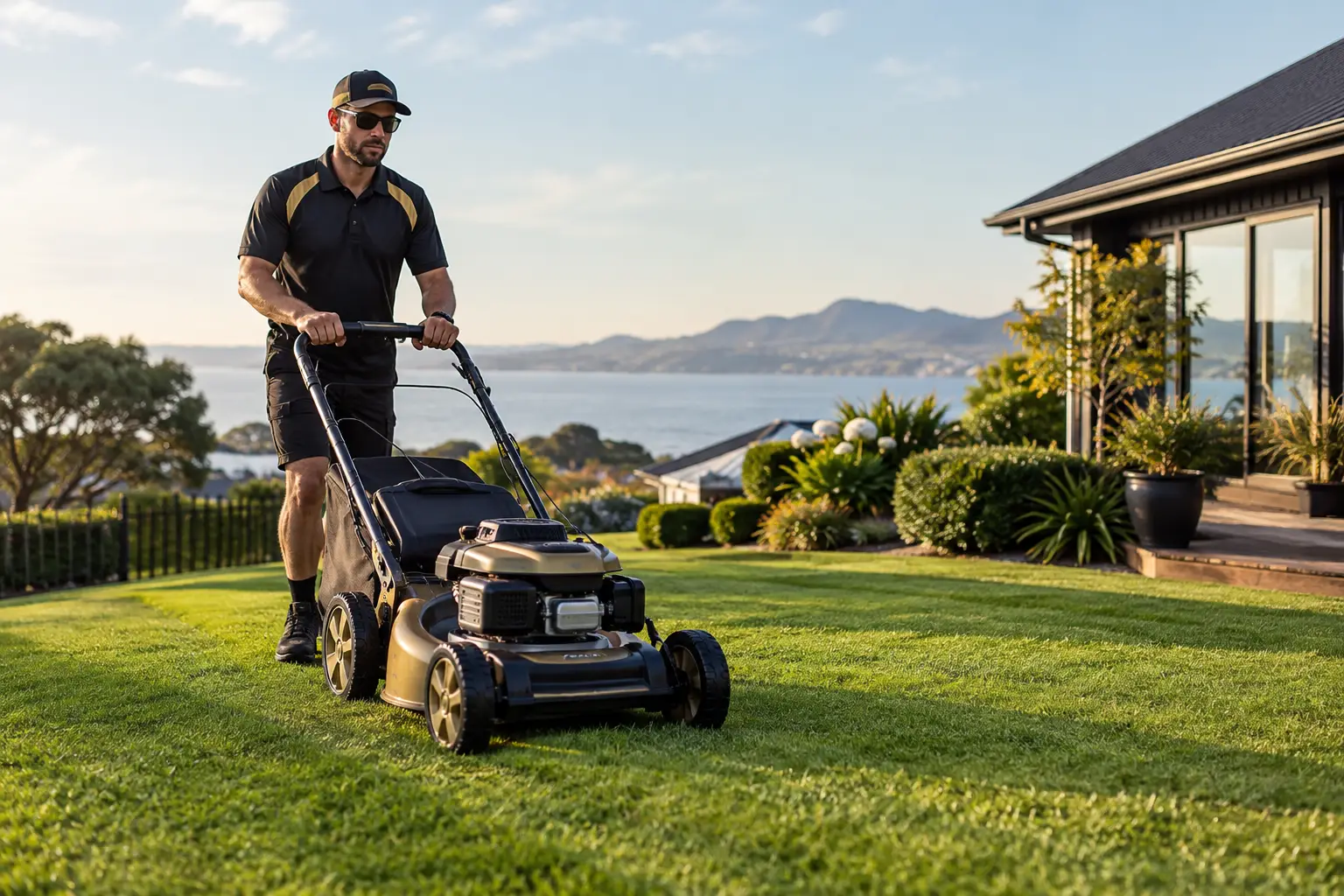
A good Waihi mowing guide starts with one simple truth: lawns here can go from tidy to ankle-high faster than you expect. A warm spell followed by rain is great for grass, but not so great when your Saturday suddenly involves a mower, trimmer and a driveway full of clippings.
The aim is not to chase a picture-perfect lawn every week. It is to keep grass healthy, edges sharp and outdoor areas pleasant to use, without letting the job become a full weekend project. Whether you mow yourself or book a regular service, timing makes all the difference.
Waihi mowing guide: work with the season
Waihi lawns do not grow at one steady pace all year. Rainfall, warmth, shade and the type of grass on your section all change how often the mower needs to come out. A lawn under trees or beside a damp fence line may grow differently from the sunny front berm, so use a schedule as a guide rather than a hard rule.
Spring: stay ahead of the growth spurt
Spring is when lawns start getting ideas above their station. Warmer days and regular rain can produce quick, soft growth, particularly after a quiet winter. For many Waihi properties, mowing every one to two weeks during this period keeps grass manageable and stops it becoming a bigger cut than it needs to be.
Avoid taking too much off at once. If the lawn has shot away, lower the height gradually over two mows instead of scalping it in one hit. Cutting it right down might look tidy for a day, but it can stress the grass, expose the soil and leave the lawn looking patchy when dry weather arrives.
Spring is also the time to notice the spots that always cause trouble. Areas near garden beds, clotheslines, fences and letterboxes are easy to skip when mowing in a hurry. Keeping on top of those edges early makes the whole property look cared for.
Summer: mow smarter, not shorter
During a hot, dry stretch, grass may slow down considerably. That does not mean the lawn has stopped needing attention, but it does mean a weekly mow may be unnecessary. Check the growth rather than mowing by habit.
Keep the mower height a little higher in dry conditions. Slightly longer grass shades the soil and helps the lawn hold moisture. Very short grass can look crisp on mowing day, then turn tired and straw-coloured when the heat hangs around.
Mow when the lawn is dry where possible. Wet grass clumps under the mower, leaves clippings across paths and can make an even cut harder to achieve. Early morning dew is often enough to wait a few hours. Your mower, and your footwear, will thank you.
Autumn: tidy up before winter
Autumn can bring another burst of growth once rain returns, so do not pack the mower away too early. This is a useful time to get the lawn back to a consistent height and clear leaves before they mat down on the grass.
A thick layer of leaves blocks light and traps moisture. That can leave bare or thin patches underneath, especially in shadier parts of the section. Rake or blow leaves clear before mowing if there is a heavy covering, rather than trying to chew through the lot with the mower.
Winter: less often, but still worth doing
Winter mowing is generally less frequent, but a tidy lawn still makes a difference to a property. Growth slows in cooler weather, particularly in shaded areas, yet mild wet spells can keep grass moving along.
Wait for a dry enough day and avoid mowing saturated ground. Heavy mower wheels can leave ruts, while cutting soggy grass often creates an uneven finish. If the lawn is getting long but the ground is too wet, patience is usually the better option.
Choose the right cutting height
The best mowing height depends on your grass, weather and how much sun the lawn receives. As a practical rule, avoid removing more than roughly one-third of the leaf blade in a single mow. It is an easy guideline that helps prevent stress and keeps the lawn looking greener between cuts.
If you have missed a few mowing cycles, do not worry. Lawns get away on everyone now and then. Start with a higher cut, then bring it down gradually over the next visit or two. The result will usually look better than attacking long grass at the lowest setting.
Uneven ground needs a bit of care too. Waihi sections can have dips, slopes and rougher patches that make a low mower setting risky. If the mower is catching high spots or scalping ridges, raise the deck. A slightly longer, even lawn looks far better than a short lawn with brown scars through it.
Edges are what make a mow look finished
A freshly cut lawn can still look untidy if the grass is spilling over paths, garden borders and driveways. Edging creates that clean line between lawn and hard surfaces, and it is often the detail people notice first when they arrive.
Trim around fence posts, steps, taps and garden edges after mowing. Work steadily rather than cutting too aggressively, especially around young plants or soft garden borders. A trimmer is there to tidy what the mower cannot reach, not to carve a trench around every edge.
Finish by blowing clippings off paths and driveways. Besides looking better, it stops wet clippings being walked indoors or blown into drains. The mow, edge and blow combination is simple, but it is what turns a cut lawn into a properly tidy outdoor space.
Know when a regular mow makes more sense
For busy households, landlords, retirees and anyone who would rather use their day off for something other than wrestling a mower around the section, regular mowing removes the constant decision of when to do it.
A recurring schedule is especially useful through spring and early autumn, when a lawn can grow quickly between weekends. It also helps rental properties stay presentable and makes it less likely that grass will become significantly overgrown. Once a lawn is very long, it often needs extra time and may attract an additional charge.
There is a trade-off. A one-off mow can be handy before visitors arrive, after a holiday or when the grass has simply got away. Regular service, though, is generally the easier way to maintain a consistent finish without repeatedly starting from scratch.
A practical pre-mow check
Before mowing, take a quick lap around the lawn. Pick up toys, branches, hoses, dog bowls and anything else that could get caught under the mower. Check for hidden rocks near garden edges and make sure children and pets are safely clear of the area.
If you mow your own lawn, keep mower blades sharp and check the catcher or deck for built-up grass. Dull blades tear grass instead of cutting cleanly, which can leave tips looking ragged and brown. You do not need to become a lawn expert, but basic mower care gives a noticeably cleaner result.
For sections with steep slopes, long wet grass or awkward access, think safety first. It may be worth changing the timing, using suitable equipment or arranging help rather than forcing a job that is unpleasant or risky.
Keep expectations realistic after rain
A freshly mown lawn will not always stay looking freshly mown for long during a wet Waihi spell. That is normal. The goal is a healthy, manageable lawn, not a showroom lawn that never grows.
You may also notice that shaded areas remain greener and grow faster than sunny patches, while compacted spots struggle. Small differences across the lawn are part of owning a real New Zealand section. Consistent mowing, sensible cutting height and clean edges will do more for the overall look than chasing perfection.
If mowing is the job that keeps getting bumped down the weekend list, Hauraki Mowing Services makes the practical option straightforward. Enter your address online to check a property-based price and book in around two minutes, with bookings managed through My Mows. Mowing starts from $40, with final pricing based on the property and lawn condition.
A tidy lawn does not need to take over your Saturday. Keep an eye on seasonal growth, avoid cutting too low, and deal with the edges before they turn scruffy. Then you can enjoy the bit that matters: stepping outside to a place that feels looked after.