
What Does Mowing Include? Mow, Edge, Blow
What does mowing include? Learn how mowing, edging and blowing create a neat finish, what may cost extra, and how to book local lawn care in Hauraki.
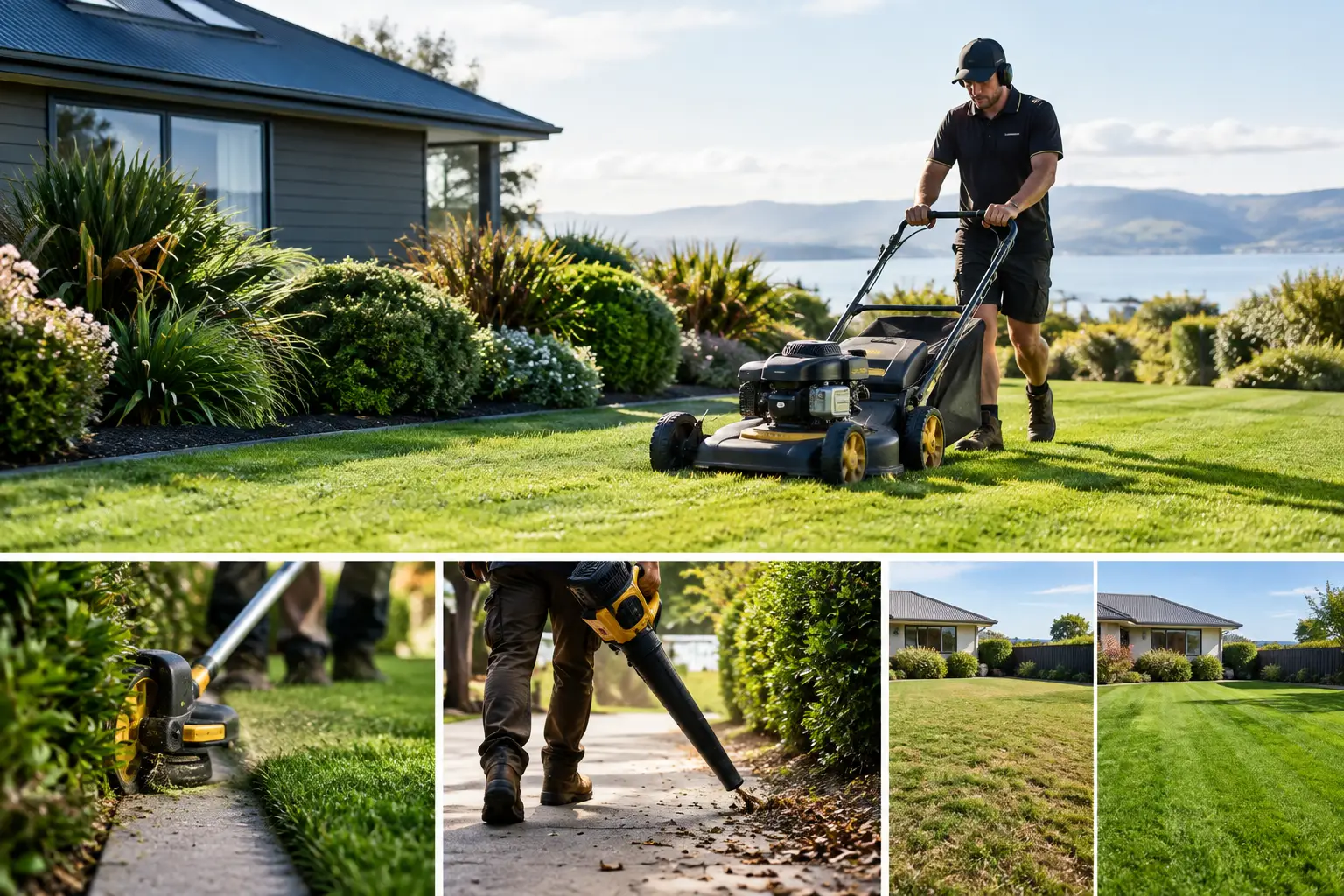
A lawn can look freshly cut and still feel unfinished if the edges are shaggy and clippings are scattered across the driveway. When people ask, “what does mowing include?”, they are usually asking about that finished look - not just whether someone will run a mower over the grass.
For most residential lawns, a proper mowing visit is about three simple jobs: mow, edge and blow. Together, they turn a section from a bit scruffy into tidy enough to enjoy, rent out, photograph or simply come home to without adding another task to your weekend.
What does mowing include at a typical lawn service?
At Hauraki Mowing Services, the standard finish is Mow • Edge • Blow. That means the lawn is cut, the visible grass edges are tidied, and loose clippings are blown from hard surfaces such as paths and driveways.
The exact result will always depend on the property, the condition of the lawn and safe access on the day. But the aim is straightforward: a neat, presentable section with clean-looking boundaries and no trail of grass through the entrance.
Mowing the lawn
Mowing is the main part of the visit. The mower cuts the grass across the accessible lawn areas, bringing down the height and creating a more even appearance. This is what keeps a lawn manageable between visits, particularly through periods of quick growth around Paeroa, Waihi, Ngātea and Thames.
A regular cut is usually easier on the grass and easier on the eye. Letting lawn growth get too far ahead can leave it looking patchy after a heavy cut, even when the job has been done properly. That is one reason recurring mowing works well for busy households, landlords and anyone who would rather not spend Saturday wrestling with a mower.
Grass length, wet conditions, slopes, obstacles and access can all affect how a lawn is mown. A damp lawn may need a little more care than a dry one. Toys, hoses, dog bowls and low garden ornaments also need to be moved before the visit where possible. A clear lawn helps the job run smoothly and keeps your gear out of harm’s way.
Edging along the parts people notice
Edging is the detail that makes a freshly mown lawn look properly finished. It involves trimming grass that the mower cannot neatly reach, such as along paths, garden borders, fences, kerbs and driveway edges.
Without edging, the lawn can quickly look fuzzy around the boundaries, even when the centre has been cut. It is the difference between “someone has mown the grass” and “the place looks tidy”. For homes with front lawns facing the street, those clean edges make a noticeable difference.
Edging does not mean reshaping garden beds, rebuilding damaged borders or carrying out landscaping work. It is about maintaining the grass line around accessible areas as part of the normal lawn-care visit. If a garden edge has disappeared under weeds or soil, it may need separate attention beyond a standard mow.
Blowing clippings from paths and driveways
The final step is blowing loose grass clippings from hard surfaces. Paths, driveways and entry areas can look messy after a cut if clippings are left behind, especially when shoes or tyres track them indoors or into the garage.
Blowing gives the job its clean finish. It is also a practical touch for homes with a front path, shared access or a driveway where grass tends to collect along the sides. The lawn should look tidy from the street, not as though the mower packed up halfway through.
This step applies to clippings on accessible hard surfaces around the mowing area. It should not be confused with a full outdoor clean-up, leaf collection, rubbish removal or garden waste service.
What is not normally included in mowing?
Knowing the boundaries of a lawn-mowing service helps avoid surprises. Lawn mowing is designed to keep grass under control and the visible edges tidy. It is not the same as general gardening or property maintenance.
Standard mowing does not usually include pruning hedges, weeding gardens, spraying, tree work, removing rubbish, repairing lawns, pressure washing or landscaping. Those jobs require different tools, time and, in some cases, different skills altogether.
It also does not necessarily mean every blade of grass in every tight corner can be reached. Narrow strips behind fixed objects, unsafe slopes, areas blocked by parked vehicles or sections with poor access may need to be assessed on site. The sensible approach is to focus on the lawn areas that can be maintained safely and consistently.
If you are preparing a property for a tenancy inspection, sale photos or visitors, it is worth looking at the whole outdoor area beforehand. Mowing will make a big difference, but an overflowing green-waste bin or an overgrown hedge will still need its own plan.
Does an overgrown lawn change what mowing includes?
Sometimes, yes. There is no shame in an overgrown lawn - grass gets away on all of us, particularly after rain, holidays, illness or a hectic few weeks. But a lawn that is significantly longer than usual can take more time and may need extra passes to cut safely and leave a reasonable finish.
Very long grass can hide rocks, branches, children’s toys, holes and other hazards. It can also clog mowing equipment or leave large amounts of clippings. In these cases, an additional charge may apply. One-off mowing is also priced differently from regular maintenance, so it is best not to assume a first visit will be treated like an easy fortnightly cut.
The good news is that once a lawn is back under control, regular mowing can keep it there. It is generally easier to maintain tidy edges and an even height when the grass is not trying to take over the letterbox.
One-off mowing versus regular mowing
A one-off mow suits situations where you need the grass dealt with now: perhaps tenants have moved out, visitors are coming, or the lawn has simply reached the “right, that’s enough” stage. You get the practical mow, edge and blow finish without committing to an ongoing schedule.
Regular mowing suits people who want to stop thinking about it. Families get their weekends back. Retirees can keep the section looking cared for without the physical work. Landlords and property managers have one less recurring maintenance job to chase.
The finish is similar, but the condition of the lawn is usually better when it is kept on a regular schedule. Grass is easier to cut before it becomes long and thick, and the property stays presentable rather than cycling between tidy and wild.
How to get a clear price before booking
Nobody wants to measure their lawn, estimate the square metres and then wait around for a quote. A simpler option is address-based pricing. Enter your property address online, check the available service and price for your place, then book in around two minutes.
Mowing starts from $40, although the final price depends on the property and service requirements. Eligible new customers can receive 50% off their first regular mow, subject to the current offer terms. That offer does not apply to one-off mowing, and significantly overgrown lawns may cost extra.
Once booked, you can manage bookings through the My Mows area. That is handy when plans change, the lawn is growing faster than expected, or you want regular mowing organised without another phone call on your to-do list.
A tidy lawn is more than a short lawn
The best mowing result is not about stripping a lawn as short as possible. It is about a clean, cared-for finish that suits the property: grass cut neatly, edges sharpened up and clippings cleared from the places you walk and drive.
If that sounds like the kind of weekend task you would happily hand over, check your property price online and book when it suits. Your lawn can have its mow, edge and blow - while you get on with something better.